Upsc insights
Welcome to my UPSC learning space — where I share clear, concise, and thoughtful blogs on Polity, History, Geography, and Economics. Learn, revise, and stay inspired for your civil services journey.
Welcome to my UPSC learning space — where I share clear, concise, and thoughtful blogs on Polity, History, Geography, and Economics. Learn, revise, and stay inspired for your civil services journey.
Welcome to my UPSC learning space — where I share clear, concise, and thoughtful blogs on Polity, History, Geography, and Economics. Learn, revise, and stay inspired for your civil services journey.
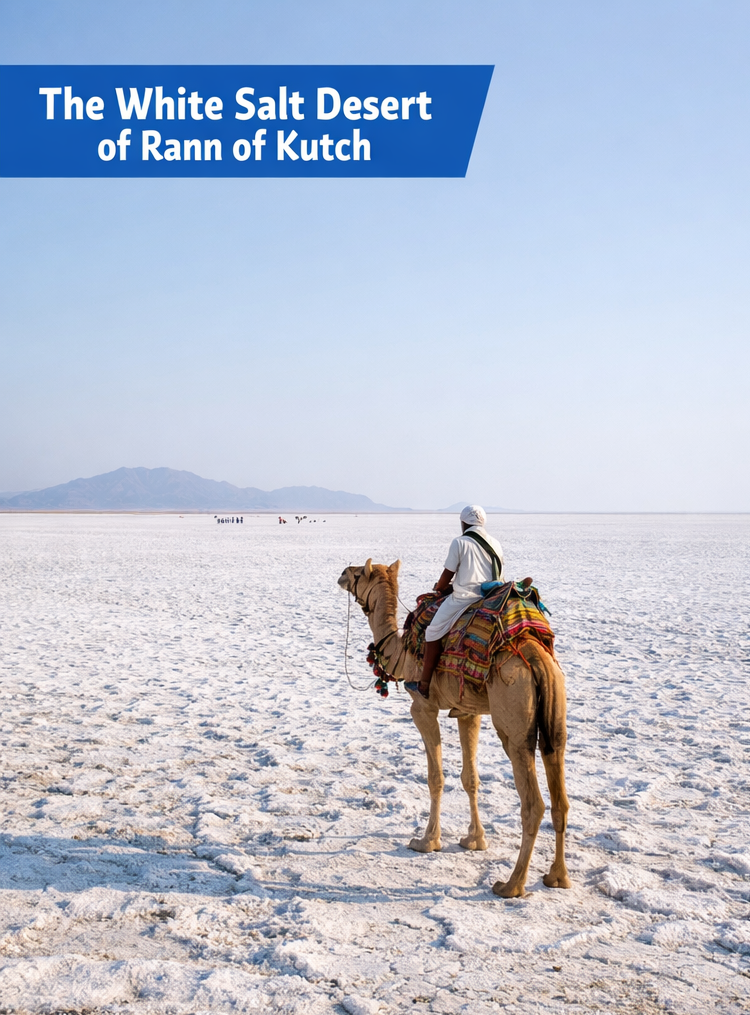
The Rann of Kutch is one of the most unique physical features of India. It looks like a vast white desert, but for a few months every year, it turns into a shallow sea. This strange change makes the Rann of Kutch different from any other landscape in the country. For students preparing for competitive exams like UPSC, understanding the Rann of Kutch is important from both geography and environment perspectives.
In this blog, we will understand the formation, location, and importance of the Rann of Kutch in simple and clear language.
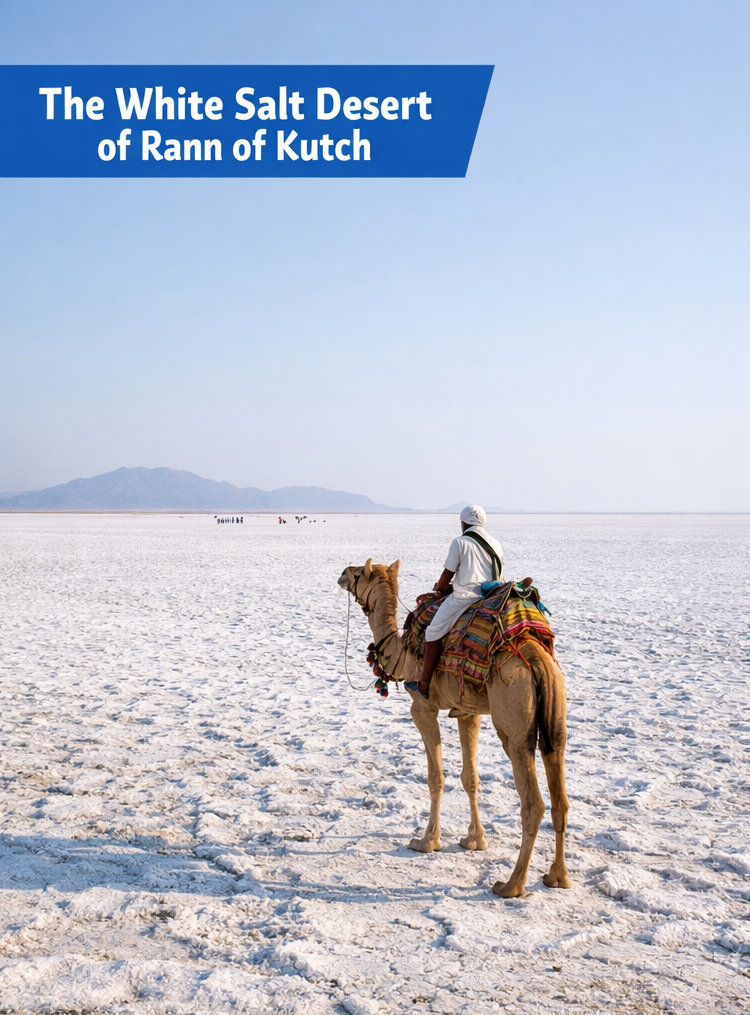
The Rann of Kutch is located in the northwestern part of India, mainly in the state of Gujarat. It lies between the Gulf of Kutch and the Indus River basin. On the north and northwest, it shares an international boundary with Pakistan.
Geographically, the Rann of Kutch is divided into two parts:
Between these two lies the Banni grassland region, which is ecologically very important.
The Tropic of Cancer also passes through this region, which affects its climate. The area experiences extreme temperatures — very hot summers and relatively cool winters.
The word “Rann” comes from the Hindi word meaning “desert.” However, the Rann of Kutch is not a typical sandy desert like the Thar Desert. Instead, it is a salt marsh — a flat land covered with salt deposits.
For most of the year, the land appears dry and white because of salt crust formation. But during the monsoon season, it gets flooded with water.
The formation of the Rann of Kutch is linked to geological movements and sea-level changes.
The Rann of Kutch region lies in a tectonically active zone. In ancient times, this area was part of a shallow sea connected to the Arabian Sea. Due to tectonic uplift and subsidence (sinking of land), the region gradually changed.
Earthquakes have played an important role in shaping this region. Even today, this area is earthquake-prone. The 2001 Bhuj earthquake is an example that shows the region’s tectonic instability.
In the past, sea water entered this region (marine transgression). Later, due to changes in sea level and land uplift, the sea retreated (marine regression). As the water evaporated, it left behind large salt deposits.
Over time, sediments brought by rivers like Luni and other seasonal streams accumulated in the area. This process helped in creating the present salt marsh.
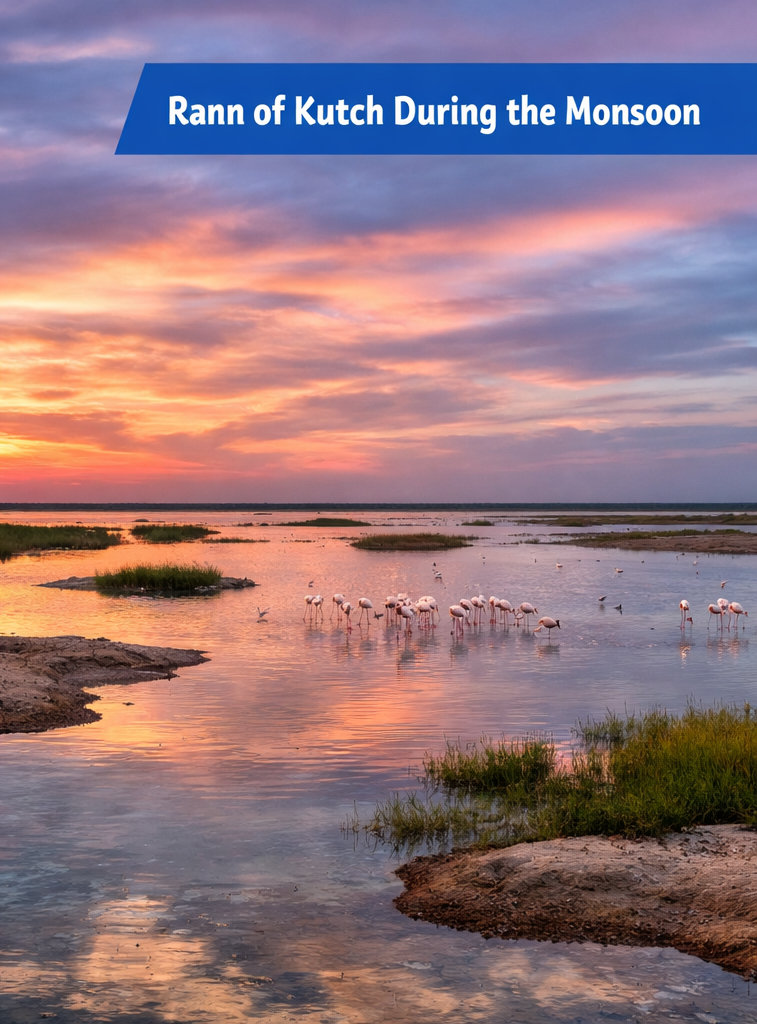
During the southwest monsoon, water from nearby rivers and the Arabian Sea floods the Rann. Since the land is flat and low-lying, water spreads easily. After the monsoon, the water evaporates due to high temperatures, leaving behind a thick layer of salt.
This cycle of flooding and drying is the main reason why the Rann of Kutch looks white and cracked during most of the year.
The Rann of Kutch has an extreme climate:
Because of these harsh conditions, only specially adapted plants and animals survive here.
The Rann of Kutch is not just a barren land. It has high ecological value.
The Little Rann of Kutch is home to the Indian Wild Ass. It is protected under the Indian Wild Ass Sanctuary.
This sanctuary was established to protect the endangered Indian Wild Ass, which is found mainly in this region.
During winter, thousands of migratory birds visit the Rann of Kutch. Flamingos, pelicans, cranes, and other birds make it an important bird habitat. In fact, it is sometimes called a “Flamingo City” because of large flamingo breeding grounds.
The mix of wetlands and dry land creates a unique ecosystem.
The Rann of Kutch plays a major role in India’s salt production.
A large part of India’s salt comes from this region. The hot climate helps in rapid evaporation of water, making salt extraction easier. Many local communities depend on salt farming for their livelihood.
The Rann of Kutch has become a major tourist attraction, especially during the Rann Utsav festival. Tourists from India and abroad visit to see the white desert under the full moon.
Cultural activities, handicrafts, and traditional music of Kutch attract visitors. This helps in promoting local art and providing employment.
The Rann of Kutch is close to the India-Pakistan border. Because of this, it has strategic and security importance. Border Security Force (BSF) personnel are deployed in this area to guard the border.
In the past, there were disputes between India and Pakistan over this region. However, the issue was later settled through international arbitration.
Despite its importance, the Rann of Kutch faces some challenges:
Sustainable development is necessary to protect this fragile ecosystem.
The Rann of Kutch is a unique geographical region that combines desert, wetland, and marine features in one place. Its formation is linked to tectonic movements, sea-level changes, and seasonal flooding. Located in Gujarat near the Pakistan border, it holds ecological, economic, and strategic importance.
From salt production to wildlife conservation and tourism, the Rann of Kutch plays many roles. For geography students and UPSC aspirants, it is an important example of how physical processes shape landforms and influence human activities.
Understanding the Rann of Kutch helps us appreciate how nature works in cycles — flooding, evaporation, and renewal — creating one of the most beautiful white landscapes in the world.
If you are preparing notes, remember this key point: The Rann of Kutch is a seasonal salt marsh formed due to tectonic activity and marine changes, with high ecological and economic value.