Upsc insights
Welcome to my UPSC learning space — where I share clear, concise, and thoughtful blogs on Polity, History, Geography, and Economics. Learn, revise, and stay inspired for your civil services journey.
Welcome to my UPSC learning space — where I share clear, concise, and thoughtful blogs on Polity, History, Geography, and Economics. Learn, revise, and stay inspired for your civil services journey.
Welcome to my UPSC learning space — where I share clear, concise, and thoughtful blogs on Polity, History, Geography, and Economics. Learn, revise, and stay inspired for your civil services journey.
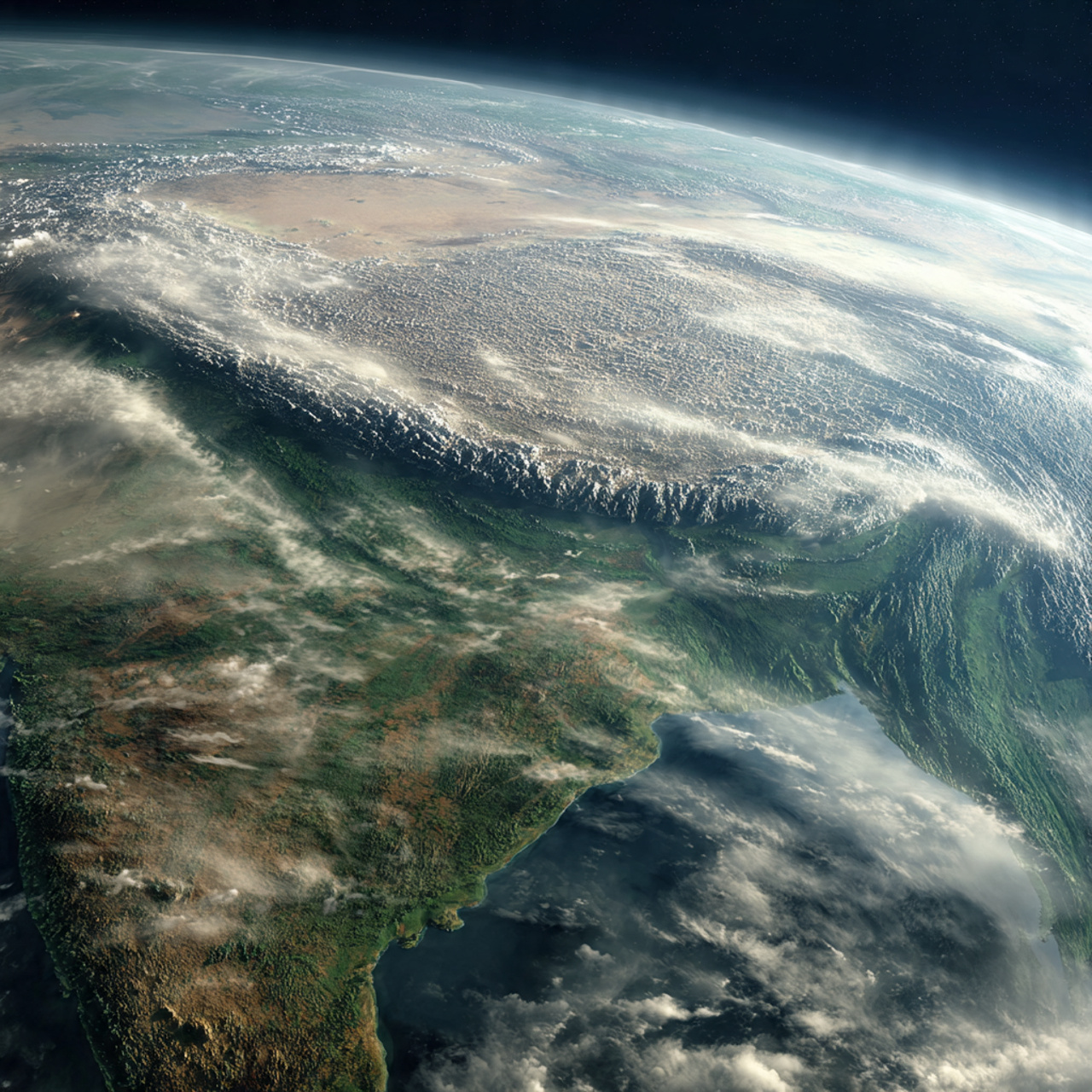

The Indian monsoon is one of the most important climate systems in the world. It controls rainfall for agriculture, water resources, and the livelihood of millions of people in South Asia. Many factors influence the monsoon, such as ocean temperatures, winds, and pressure systems. But one geographical feature plays a particularly crucial role — the Tibetan Plateau.
Understanding how Tibetan Plateau affect Indian monsoon helps us explain why monsoon winds form, why they bring heavy rainfall, and why the timing of monsoon arrival can change from year to year.
Understand How jet stream plays the role in the formation of indian monsoon
How Somali jet plays the role in the formation of indian monsoon
How Tropical Easterly jet stream plays the role in the formation of indian monsoon
The Tibetan Plateau is the highest and largest plateau in the world, often called the “Roof of the World.”
Because of its massive size and height, the Tibetan Plateau strongly influences atmospheric circulation across Asia, especially during the summer months.
Scientists have studied the Asian monsoon system in detail. According to research published by National Aeronautics and Space Administration, heating of the Tibetan Plateau plays a major role in strengthening the summer monsoon circulation.

The Tibetan Plateau acts like a giant heat source during summer. When the Sun heats the plateau, the air above it warms up quickly. Warm air rises and creates a low-pressure area over the plateau.
This low pressure plays a key role in drawing moist winds from the Indian Ocean toward the Indian subcontinent, which eventually leads to monsoon rainfall.
In simple terms:
Heated Tibetan Plateau → Low pressure → Moist winds move toward India → Monsoon rainfall
During summer, the Tibetan Plateau heats up faster than surrounding regions.
This heating causes:
As a result, moist air from the Indian Ocean moves toward India, bringing heavy rainfall.
Without this strong thermal low, the monsoon winds would be much weaker.
The pressure difference between:
creates a strong pressure gradient.
This gradient drives southwest monsoon winds, which carry huge amounts of moisture toward the Indian subcontinent.
The stronger the pressure gradient, the stronger the monsoon winds.
The Tibetan Plateau also affects upper atmospheric wind systems.
In summer, heating over the plateau helps create:
This jet stream strengthens monsoon circulation and supports the development of monsoon depressions and rainfall systems.
The Himalayas and Tibetan Plateau together act as a barrier that prevents cold and dry winds from Central Asia from entering India during summer.
If these cold winds were allowed to mix with monsoon winds, they could weaken the rainfall system.
Thus, the plateau indirectly helps maintain warm and moist monsoon conditions.
Variations in heating over the Tibetan Plateau can affect:
When the plateau heats strongly in early summer, the monsoon tends to arrive earlier and stronger.
If heating is weak, the monsoon can be delayed or weaker.
The seasonal reversal of winds that brings rainfall to South Asia is known as the Indian Monsoon. Educational resources from National Geographic Society also explain how land heating and large topographic features influence this system.

Scientists believe that without the Tibetan Plateau:
In fact, climate models show that the plateau is one of the key drivers of the entire Asian monsoon system.
The Tibetan Plateau plays a vital role in shaping the Indian monsoon. Its high elevation and strong summer heating create low-pressure conditions that draw moisture-laden winds toward the Indian subcontinent.
By influencing atmospheric circulation, strengthening monsoon winds, and supporting jet streams, the plateau helps sustain one of the most important climate systems affecting millions of people.
Understanding how Tibetan Plateau affect Indian monsoon is therefore essential for meteorology, climate studies, and agriculture planning in South Asia.
The Tibetan Plateau heats up during summer and creates a strong low-pressure area. This low pressure attracts moist winds from the Indian Ocean toward India, leading to the formation of the southwest monsoon and heavy rainfall.
The plateau absorbs intense solar heat during summer. This heating warms the air and causes it to rise, creating low pressure that drives monsoon circulation. Because of this role, it is often called the heat engine of the Asian monsoon.
Heating over the Tibetan Plateau helps form the Tropical Easterly Jet (TEJ) in the upper atmosphere during summer. This jet stream strengthens monsoon circulation and supports rainfall systems over India.
Yes. Strong heating over the plateau can accelerate the development of low pressure and help the monsoon arrive earlier. Weak heating may delay monsoon onset.
The monsoon would still occur due to land-sea temperature differences, but it would likely be much weaker and less organized without the Tibetan Plateau.